
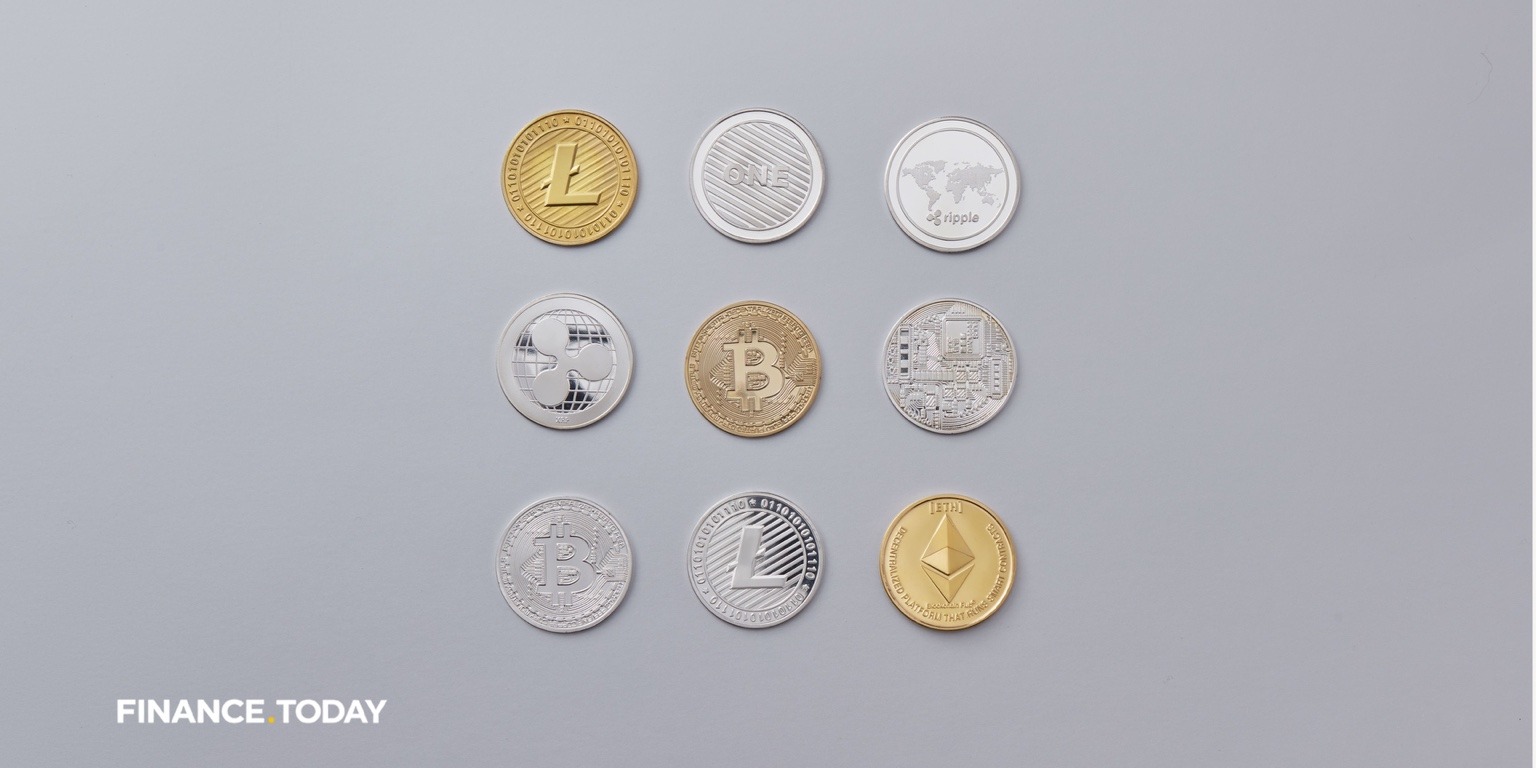

Dollar-backed crypto tokens are moving beyond trading platforms. Their growth could reshape payments, demand for government debt and the relationship between digital finance and traditional banks.
Stablecoins were originally designed to solve a practical problem in cryptocurrency markets: how to move money between digital assets without repeatedly converting funds into traditional currencies. Today, their potential role is much broader.
Dollar-linked tokens can be used to transfer value across borders, settle transactions on blockchain networks and hold digital dollars without maintaining a conventional bank account in every market. As their use expands, stablecoins are becoming more than a niche crypto product. They are raising questions about who provides money-like services, how those services are regulated and where financial risks ultimately sit.
The central issue is not whether stablecoins will replace traditional money. It is whether privately issued digital tokens will become an increasingly important layer of the existing financial system.
A digital dollar is not the same as a bank deposit
A stablecoin is a digital token designed to maintain a relatively stable value, usually by tracking a currency such as the US dollar. Many major issuers support their tokens with reserves that can include cash, bank deposits and short-term government securities.
The model appears straightforward: a customer obtains a token, the issuer maintains assets intended to support its value, and the token can be transferred between compatible wallets or platforms.
But the arrangement differs from a conventional bank account.
A bank deposit is a claim on a regulated bank, supported by the bank’s balance sheet and, in eligible jurisdictions, deposit-protection arrangements. A stablecoin holder instead relies on the token’s legal structure, the issuer’s reserve management, redemption procedures and the ability to exchange the token for the promised currency when needed.
The distinction matters most when confidence weakens. A token can trade below its intended value if holders question the quality or accessibility of its reserves, or if redemptions become difficult. The existence of assets behind a stablecoin does not automatically guarantee that every holder can access cash immediately under all circumstances.
For users, convenience and stability are therefore separate questions.
Why stablecoins matter to government bond markets
Stablecoins also connect crypto markets to traditional finance through their reserves.
An issuer that receives dollars from customers and holds a portion of its reserves in short-term US Treasury securities becomes a participant in the market for government debt. As the stablecoin business grows, the composition and management of these reserves can become more consequential.
This creates a two-way relationship. Demand for stablecoins may support demand for short-term government securities, while changes in interest rates affect the income issuers can earn on their reserves.
That income can be an important part of the business model. The issuer may earn interest on reserve assets while paying little or no interest directly to token holders, depending on the product and its legal terms.
However, the same structure creates questions about incentives. The issuer must balance the return available on reserve assets against liquidity, safety and redemption needs. Chasing higher yields at the expense of liquidity would undermine the purpose of a token designed to maintain a stable value.
Stablecoins are therefore not simply a technological alternative to cash. Their growth can influence the management of financial assets and the distribution of income within the payments system.
The banking question: competition or a new intermediary?
Stablecoins could make some payments faster or cheaper, particularly across borders and outside conventional banking hours. They may also provide businesses operating internationally with another way to move dollar-denominated funds.
But these advantages do not eliminate the role of financial intermediaries. Users still need reliable ways to acquire tokens, convert them into local currencies, verify counterparties and resolve problems. Businesses must also consider compliance obligations, accounting treatment and the practical availability of redemption.
The relationship with banks is more complicated than a simple story of disruption.
If customers move money from bank deposits into stablecoins, banks could lose some relatively stable funding. That matters because deposits are one of the sources banks use to finance loans and other assets. The effect will depend on who holds the tokens, where the money comes from and how issuers manage their reserves.
European policymakers have been examining precisely this issue. In September 2026, the European Central Bank and other EU central banks called for changes to the reserve rules under the Markets in Crypto-Assets framework, warning that deposits held by stablecoin issuers could be more sensitive to market conditions than ordinary retail deposits.
The debate illustrates an important point: regulating the issuer alone may not be enough. Authorities also need to consider how stablecoins interact with banks, government securities and cross-border financial flows.
Regulation will shape the business model
The regulatory challenge is to allow useful payment innovations without creating a system in which confidence depends on opaque reserves or uncertain redemption rights.
That requires clarity about what assets may back a token, how those assets are held, what information issuers must disclose and what happens if an issuer fails. It also requires coordination when tokens operate across jurisdictions with different legal frameworks.
Rules can affect competition as well. Large issuers may find it easier to absorb compliance costs, while smaller firms may struggle to meet the same standards. At the same time, clearer requirements can make institutional customers more willing to use stablecoins.
The outcome will not be determined by technology alone. It will depend on whether the financial and legal arrangements are reliable enough for businesses and consumers to trust.
The bigger question is who bears the risk
Stablecoins promise to make digital payments more flexible, but the underlying financial questions are familiar. Who holds the assets? Who can demand repayment? How quickly can those assets be converted into cash? And who absorbs losses if confidence disappears?
These questions matter because money is useful not merely when it can move quickly, but when people trust its value and accessibility.
Stablecoins may become a lasting part of the global payments system. If they do, their importance will extend beyond crypto trading to banks, government debt markets and the wider economy.
The decisive test will be whether their convenience can be matched by transparent reserves, dependable redemption and effective oversight.
